Why protecting your buildings Microbiome is so important to the health of its occupants
The old concept of killing all bacteria is outdated.
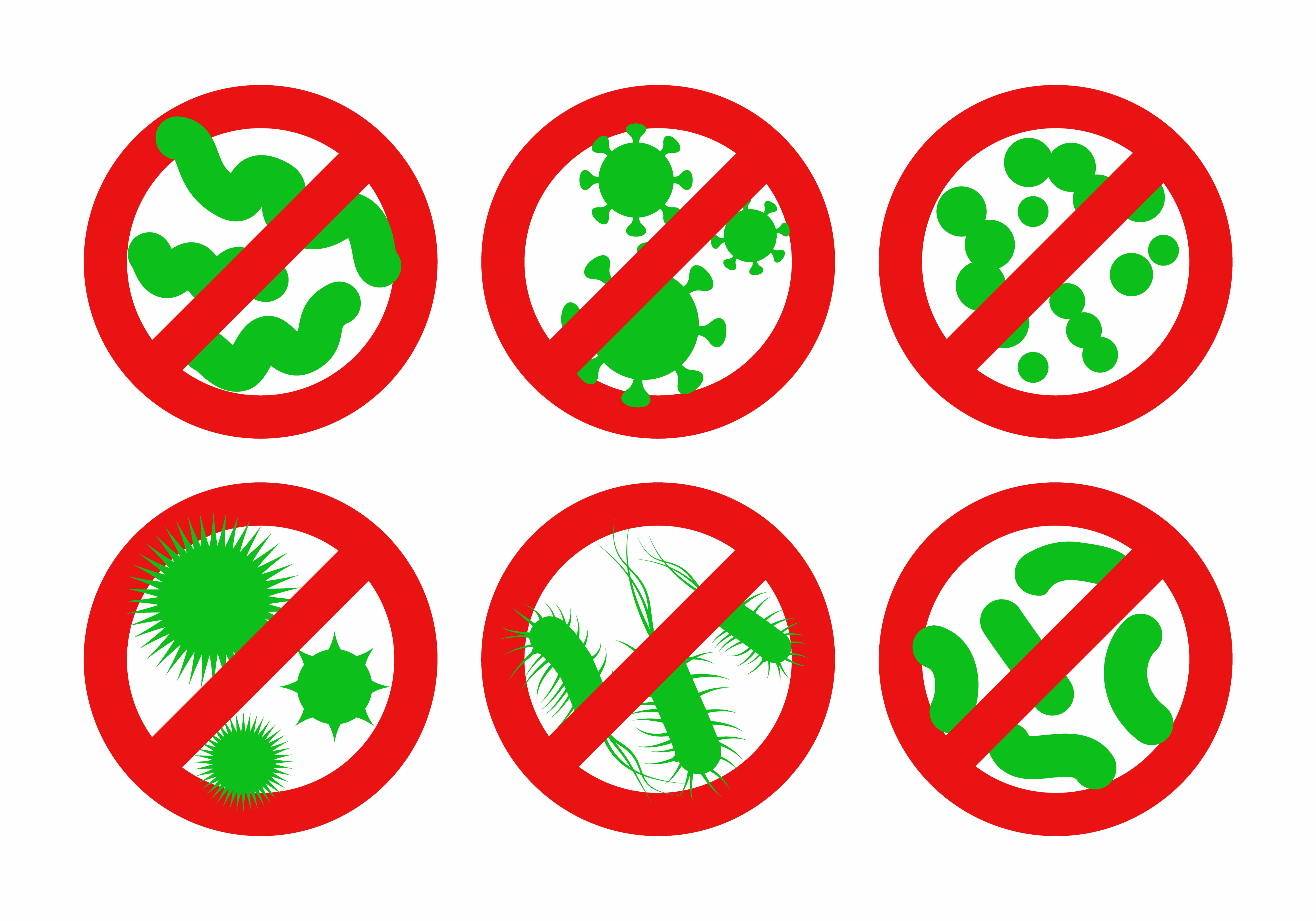
We’re now beginning to understand that not all bacteria are harmful. In fact, some are essential to a healthy environment. Just as our bodies rely on a balanced gut microbiome, buildings have their own microbial ecosystems. And maintaining that balance may be one of the smartest things we can do for health, hygiene, and sustainability.
The Problem with Over-Sterilisation
Bleach-based products, QACs, and other harsh disinfectants are good at destroying microorganisms — but they’re indiscriminate. They eliminate the good along with the bad, leaving behind a biological vacuum. While this might be good in the short term in places like an operating theatre, it’s important to remember that nature doesn’t like a vacuum.
What Is the Workplace Microbiome?
The workplace microbiome refers to the community of microorganisms that live on surfaces, in the air, and even in our HVAC systems. Desks, door handles, kitchens, washrooms — they’re all ecosystems in their own right.
When that environment is balanced, it can naturally suppress harmful microbes. But when it’s wiped out by over-cleaning, the rebound effect can actually make surfaces more susceptible to contamination.
The Role of Probiotics in Cleaning
That’s where probiotic cleaning products come in. These are not the bacteria you try to avoid — they’re the good guys. Safe, food-grade strains (often the same as those found in probiotic supplements) are applied to surfaces, where they form a stable colony. These helpful microbes outcompete pathogens for resources and space, keeping harmful bacteria in check over time.
It’s a fundamentally different approach to hygiene — one that works with biology, not against it.
Why This Matters for FM and Workplace Managers
For facilities managers and cleaning professionals, probiotic solutions offer several compelling advantages:
• Longer-lasting hygiene: Probiotics keep working for hours or even days after application.
• Improved indoor air quality: Fewer VOCs and chemical residues mean a safer breathing environment.
• Sustainability: Probiotic products are biodegradable, water-saving, and reduce the need for harsh chemicals.
• Fewer complaints: Some clients report reductions in odours, allergen-related symptoms, staff sickness days and general dissatisfaction.
Perhaps most importantly, this approach reflects a broader shift: from short-term disinfection to long-term environmental health.
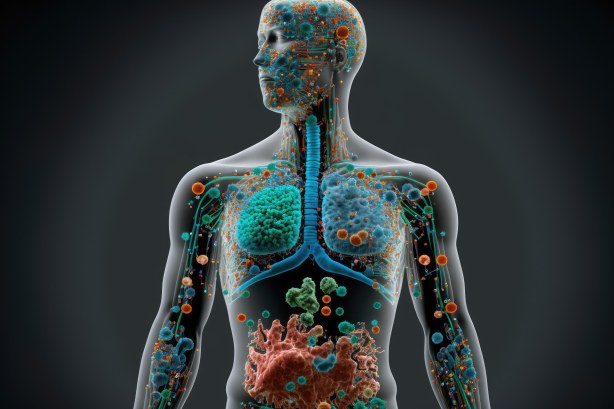
A Mindset Shift, Not Just a Product Swap
Moving to a probiotic cleaning system isn’t just about changing products — it’s about changing thinking. It’s about embracing complexity and recognising that health isn’t the absence of bacteria, but the presence of the right ones.
We believe this is the future of workplace hygiene. It’s safer, smarter, and more sustainable — and it’s already being adopted by forward-thinking organisations across the UK.
Because where it comes from matters.